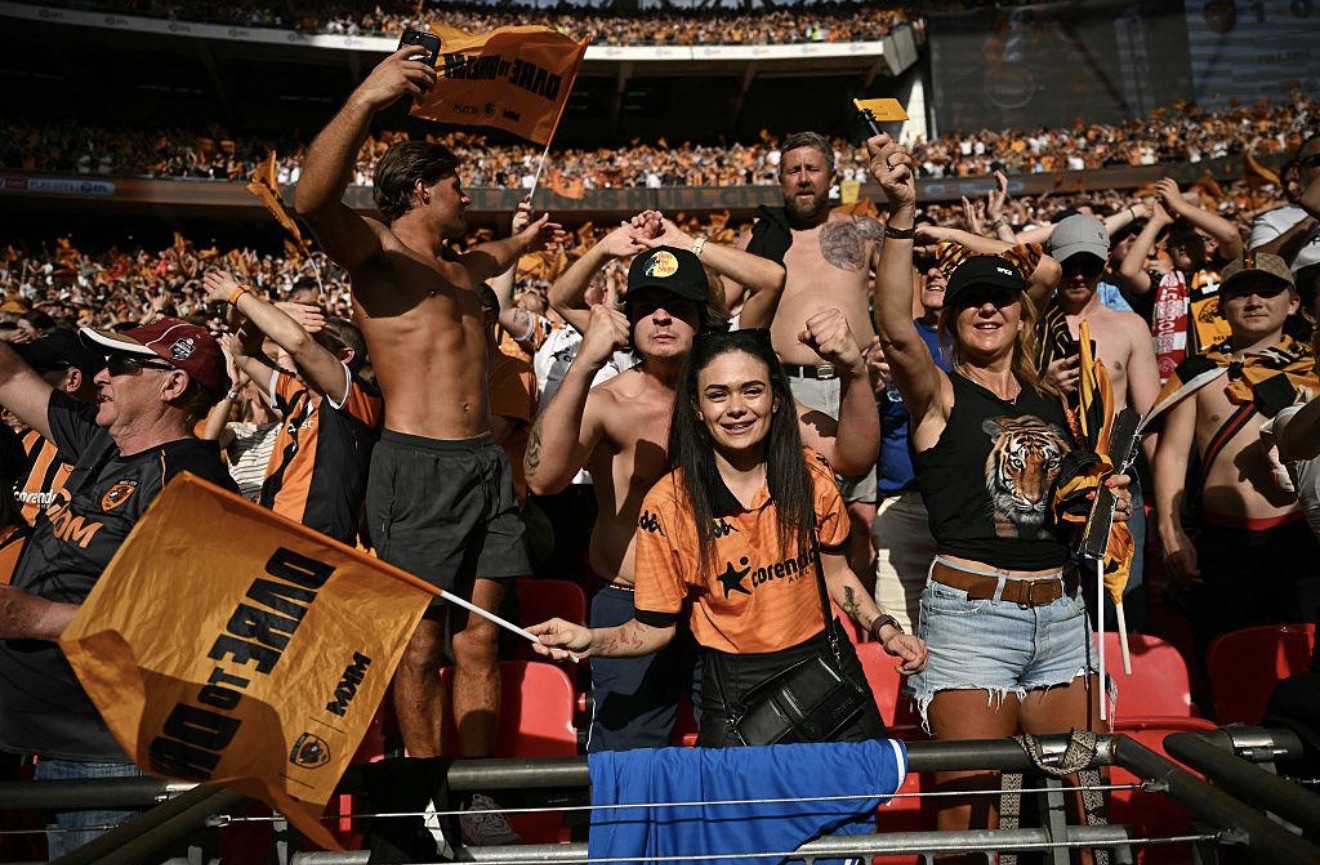

Just weeks after securing a long-awaited return to the Premier League, Hull City find themselves battling a financial problem that could threaten the start of their top-flight campaign.
The Tigers achieved one of the stories of the season by defeating Middlesbrough in the Championship play-off final, earning promotion back to the Premier League for the first time since 2017. Promotion was expected to bring celebrations, optimism and financial security. Instead, it has created an unexpected Profit and Sustainability Rules (PSR) headache.
Why Hull City Are In Trouble
According to multiple reports, Hull City are currently around £6 million over the EFL’s permitted loss threshold under PSR regulations. If the club cannot generate enough profit through player sales before the accounting deadline on June 30, they risk facing a points deduction next season.
Under current EFL rules, an overspend of between £6 million and £8 million could result in a six-point deduction. Such a penalty would be carried into Hull’s Premier League campaign despite the breach occurring while they were a Championship club.
Promotion Has Actually Created The Problem

Ironically, Hull’s promotion is one of the main reasons they now find themselves in this situation.
Football finance expert Kieran Maguire explained that promotion bonuses paid to players and staff are included in PSR calculations. Hull’s unexpected rise to the Premier League is believed to have triggered bonus payments worth between £10 million and £15 million, significantly increasing the club’s financial obligations.
While promotion is expected to generate more than £200 million in future revenue through broadcasting and commercial income, those earnings arrive too late to help with the current PSR assessment period.
Owner Confirms Player Sales Are Needed

Hull City owner Acun Ilicali has publicly acknowledged the issue.
Speaking about the club’s position, Ilicali admitted Hull have overspent and must sell players before July 1. However, he remains confident that the situation can be resolved, pointing out that promotion has increased the market value of many players in the squad.
His comments suggest the club are already working behind the scenes to identify potential departures before the financial year closes.
Previous Player Sales Have Helped
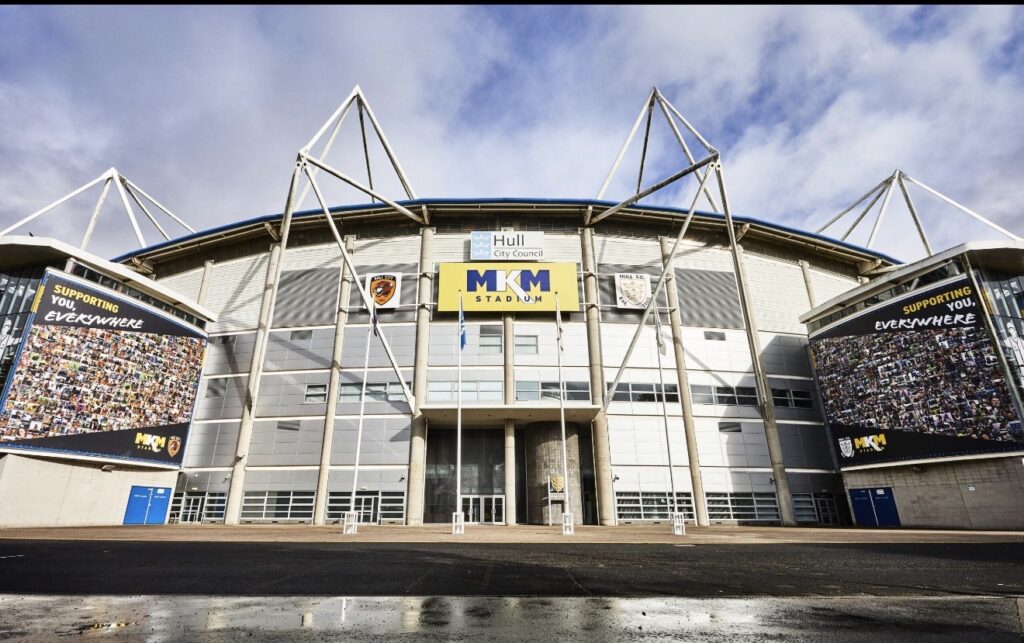
Hull have already generated significant transfer income in recent years. Sales of players such as Jaden Philogene and Jacob Greaves reportedly brought in more than £35 million, helping offset previous losses. However, rising wage costs, promotion bonuses and operating expenses have left the club with little room for error under PSR regulations.
Financial reports have also highlighted Hull’s high cost base relative to their Championship revenue, making player trading an important part of maintaining compliance with league rules.
Could Hull Really Start The Premier League On Minus Points?
Yes.
Recent history shows that football authorities are willing to enforce PSR regulations. Clubs such as Everton and Nottingham Forest have both suffered points deductions for financial rule breaches in recent seasons, while other clubs have faced sanctions in the Championship.
Hull will therefore be desperate to avoid becoming the latest club punished under the regulations.
A Race Against Time

The situation leaves Hull City in a difficult balancing act. They need to generate enough profit through player sales to satisfy PSR requirements, but they must also keep a squad capable of competing in the Premier League.
Selling key players could weaken their chances of survival, while failing to sell enough could result in beginning the season with a points deduction.
For now, the Tigers have less than two weeks to find a solution. Their remarkable promotion story may have earned them a place among English football’s elite, but the next challenge is ensuring they arrive there without a penalty hanging over them.